Which is Better Value? Macbook Pro vs Macbook Pro 14 M3 2023 Compared
Short answer: for users who prioritize raw performance, a brighter high‑fidelity display and additional ports for professional workflows, the Macbook Pro 14 M3 2023 delivers stronger long‑term value; for buyers who want a compact, lighter, lower‑cost machine for everyday productivity, media consumption and portability, the standard Macbook Pro can represent better value. The rest of this article breaks down why — across real‑world use cases, cost trade‑offs and what buyers typically care about.
Introduction
Apple’s Macbook Pro line spans needs from everyday computing to demanding creative and technical work. Comparing a standard Macbook Pro to the Macbook Pro 14 M3 2023 centers less on brand recognition and more on match‑to‑workload: who needs the extra thermal headroom, ports and display fidelity of the 14‑inch Pro, and who will be better served by a simpler, lighter model? This article evaluates each machine across design, display, performance, battery life, ports, real‑world workflows and long‑term ownership to help readers pick the better value for their circumstances.
How readers should use this article
The goal is practical: match device strengths to actual use cases. Photographers, video editors, software developers compiling large codebases and those who run virtualization tend to favor the 14‑inch Pro class. Students, writers, general office workers and frequent travelers often prefer the smaller, lower‑cost Macbook Pro. Price sensitivity, repairability expectations and desired lifespan also shape value — those are covered in the buying guide below.
Product analysis
Design & build
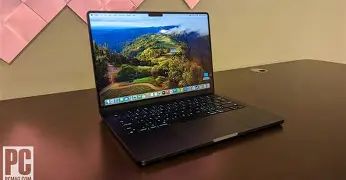
Both machines follow Apple’s premium unibody design language: metal chassis, consistent keyboard and trackpad quality, and attention to finish. The Macbook Pro 14 M3 2023 leans into a slightly more substantial frame to accommodate better thermals, a larger high‑quality display and additional I/O. That makes it heavier in the bag but also more stable on a desk. The standard Macbook Pro is engineered for portability — thinner and lighter — which is a clear advantage for daily commuters and anyone who carries their laptop for much of the day.
Display and media
The 14‑inch Pro model typically ships with a higher‑end panel: wide color gamut, higher peak brightness, and variable refresh rate where supported. For photographers, videographers and anyone who relies on accurate color and contrast, that difference is immediately noticeable in editing work and HDR playback. The standard Macbook Pro provides an excellent display for mainstream use — sharp text, good color and brightness — but it is not optimized for the same professional grading and color‑critical tasks.
Performance and thermals
The Macbook Pro 14 M3 2023 is designed for sustained performance. In practice that means the machine can sustain high CPU and GPU loads for longer before hitting thermal limits, which matters for long video exports, building large software projects, 3D rendering and running multiple virtual machines. The standard Macbook Pro is fast for day‑to‑day apps, web browsing, light photo editing and short bursts of heavier work, but it can throttle sooner under prolonged stress.
For buyers evaluating value, the question is whether occasional heavy work justifies paying for a system built to sustain that load. For professionals who spend many hours per week on demanding tasks, the 14‑inch Pro’s ability to complete jobs faster and without thermal slowdowns often saves time — and that time has monetary value in a professional context.
Battery life
Battery behavior depends on configuration and workload. The standard Macbook Pro often shows excellent battery life in light to moderate use because of its efficient hardware and lighter display demands. The 14‑inch Pro can show similar or slightly lower battery runtimes in casual use due to its brighter, more capable display and higher‑power components, but under heavy workloads it retains performance longer thanks to thermal headroom. For users who need the longest possible unplugged time for basic tasks, the lighter Macbook Pro may be the more sensible choice.
Ports and expandability
The 14‑inch Pro class typically includes more built‑in ports — multiple Thunderbolt/USB‑C ports, HDMI and often an SD card slot and MagSafe charging — reducing the need for adapters. For photographers, audio engineers and filmmakers who move large files from cards or attach external hardware, that extra I/O is significant. The standard Macbook Pro tends to be more minimalist, pushing many users to buy hubs and dongles to regain functionality. The cost and inconvenience of adapters should be considered when calculating total ownership cost.
Find top-rated Laptops & Computers products at great prices.
Shop Amazon →Keyboard, trackpad and webcam
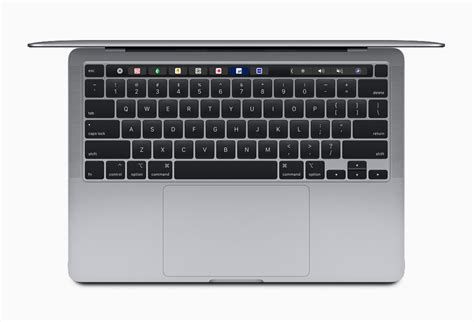
Apple’s keyboards and trackpads are consistently well regarded across the Pro lineup. Both models offer comfortable typing and a responsive trackpad. Webcam and microphone quality have improved across generations; video call quality will generally be adequate for most users on either machine. The 14‑inch Pro may provide marginally better speakers and more microphone inputs, improving content creation and remote collaboration audio quality.
Software and ecosystem
Both machines run macOS and benefit equally from Apple’s ecosystem: iCloud, continuity features, AirDrop, and deep integration with iPhone and iPad. Compatibility with pro apps — photo and video editors, developer tools, music production suites — is strong on both platforms. Where the 14‑inch Pro pulls ahead is in scenarios where apps can exploit additional CPU/GPU cores and memory bandwidth; that extra headroom matters for demanding professional software.
Longevity, repairability and resale
Long‑term value depends on how long a buyer plans to keep the machine. The 14‑inch Pro’s extra performance and expandability tend to keep it relevant for more years in a professional workflow. Apple machines often maintain good resale value, and a higher‑specced Pro typically commands a better second‑hand price. Repairability remains limited compared with user‑serviceable PCs, but higher initial specs often translate to longer usable life before an upgrade is necessary.
Comparison table
| Category | Macbook Pro (standard) | Macbook Pro 14 M3 2023 |
|---|---|---|
| Target user | Students, writers, business users, travelers | Creative professionals, developers, power users |
| Portability | More portable, lighter | Less portable, slightly heavier |
| Display | Very good for everyday use | Higher fidelity (better brightness, contrast, color) |
| Performance | Great for everyday apps and light production | Stronger sustained performance for heavy tasks |
| Thermals | Can throttle under sustained load | Better cooling and fewer thermal limits |
| Ports | Fewer — may need hubs | More built‑in I/O (useful for pro workflows) |
| Battery | Excellent in light use | Good overall; maintains performance under load |
| Value proposition | Better value for mobility and cost savings | Better long‑term value for professional workloads |
Pros & cons
Macbook Pro (standard)
- Pros:
- Lighter and more portable — easier to carry daily.
- Lower entry price — attractive for budget‑conscious buyers.
- Excellent battery life for common tasks like browsing, streaming and office work.
- Same macOS experience and ecosystem benefits as Pro models.
- Cons:
- Less thermal headroom — can throttle under prolonged heavy workloads.
- Fewer built‑in ports — adapters and hubs often required.
- Display and speaker system typically less capable for pro media work.
Macbook Pro 14 M3 2023
- Pros:
- Stronger sustained performance for editing, compiling and rendering.
- Higher quality display suited for color work and HDR content.
- More ports and expandability out of the box (reduces need for dongles).
- Better thermal design — maintains peak performance for longer jobs.
- Cons:
- Higher price — larger upfront investment.
- Heavier and less convenient to carry all day for some users.
- Potentially shorter battery life in casual use compared with the lighter model, depending on configuration.
Real‑world use cases and who should choose which
Everyday productivity, students and frequent flyers
For users who spend their day on email, documents, spreadsheets, web research and streaming, the standard Macbook Pro delivers excellent performance, long battery life and light carrying weight. The lower price point also makes it an appealing choice for students and first‑time Mac buyers. The trade‑offs — fewer ports and less sustained performance — are unlikely to impact this group.
Photo and video professionals, creative studios
Professionals who edit RAW photos, color‑grade video footage, or work with high‑resolution timelines will benefit from the 14‑inch Pro’s display fidelity, sustained CPU/GPU throughput and additional ports for external drives and audio interfaces. The faster completion of heavy tasks and fewer interruptions from throttling directly improves efficiency in a commercial context.
Software developers and engineers
Developers who build large codebases, run local containers, or perform simulation work will appreciate the 14‑inch Pro’s stronger sustained performance and extra RAM/expandability. For developers whose work is lighter (web front‑end development, small apps), the standard Macbook Pro balances portability with enough power to be a daily driver.
Music producers and live performers
Low‑latency audio work and multi‑track recording can benefit from the 14‑inch Pro’s audio system and ports for external gear. A musician who primarily uses sample‑heavy virtual instruments frequently will find the extra memory and sustained performance advantageous. Casual music creation and practice, on the other hand, fit comfortably on the standard Macbook Pro.
Buying guide — practical tips to maximize value
1. Define the primary workload
Estimate how many hours per week will be spent on heavy tasks (video exports, large builds, 3D renders). If heavy work is frequent, prioritize sustained performance and ports (14‑inch Pro). If heavy work is rare, a standard Macbook Pro will likely be a better value.
Looking for the best Laptops & Computers deals on Amazon?
View Offers →2. Consider total ownership cost, not just the sticker price
Factor in necessary accessories: docks, external drives, SD card readers, adapters and cases. A lower upfront price can be offset by recurring accessory purchases if the base model lacks needed ports.
3. Right‑size storage and memory
Buy enough storage and RAM for expected use, because internal upgrades are limited. For photo and video professionals and developers who run virtual machines, prioritize higher memory configurations and faster storage. For lighter users, mid‑range storage and memory are often sufficient and preserve budget.
4. Think about resale and lifespan
Higher‑spec machines tend to hold value longer and to remain capable for more years as software demands rise. If a buyer expects to keep the laptop for five years or more, investing in the higher‑specced 14‑inch Pro can be more economical over time.
5. Test portability in real contexts
If a laptop will be carried daily, evaluate weight and size with the actual bag and accessories it will travel with. Comfort matters for users who commute or walk long distances; the lightness of the standard Macbook Pro can translate into daily convenience that’s hard to quantify.
6. Timing and future proofing
Assess whether current needs are increasing. If a buyer expects to grow into heavier workflows (e.g., moving from basic editing to full video production), buying up front can be cheaper than upgrading later.
Conclusion
Value depends on matching device strengths to real needs. The Macbook Pro 14 M3 2023 represents better value for professionals and power users because its stronger sustained performance, richer I/O and higher‑fidelity display shorten task times and reduce friction for demanding workflows. The standard Macbook Pro often represents better immediate value for people who prioritize portability, lower cost and long battery life for everyday tasks.
Buyers should base the decision on how often they perform heavy tasks, whether built‑in ports matter, and how long they expect to keep the laptop. When those answers point toward frequent, sustained workloads and fewer compromises on display and connectivity, the 14‑inch Pro is the pragmatic investment. When mobility, initial cost and long battery life matter most, the standard Macbook Pro remains a strong, sensible choice.