Head-to-Head: Dji Avata 360 vs Kodak Snapic A1 (Detailed Comparison)
Introduction
When shopping for capture tools that enable immersive footage, buyers encounter increasingly diverse options: compact drones that deliver cinematic, first-person perspectives and handheld 360 or action cameras that prioritize simplicity and social sharing. This head-to-head comparison examines two distinctly positioned products — the Dji Avata 360 and the Kodak Snapic A1 — to help prospective buyers understand which device better suits their needs.
The goal is practical: outline each product’s strengths and trade-offs, explore real-world use cases, compare core attributes side by side, and provide a buyer’s checklist. The analysis focuses on what creators and everyday buyers typically care about: image quality, stabilization, portability, ease of use, battery life, software/workflow, safety/regulation issues (for drones), and overall value.
Product overviews
Dji Avata 360 — what it is and who it’s for
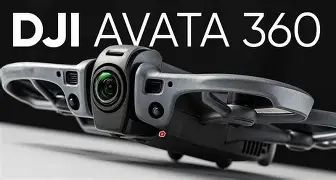
The Dji Avata 360 is positioned for users who want immersive, dynamic aerial footage with an FPV (first-person view) experience. It combines agile flight performance with a compact chassis and an onboard camera system intended to capture wide, engaging angles while often being flown with goggles or a motion controller. Typical buyers are drone hobbyists, cinematic creators looking for dynamic movement, and experience-focused videographers who value the sensory feel of FPV flight.
Kodak Snapic A1 — what it is and who it’s for
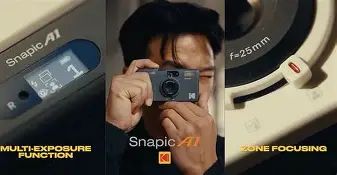
The Kodak Snapic A1 is aimed at consumers seeking a straightforward, portable camera for social and personal use. It emphasizes ease of use, quick sharing, and versatility for everyday recording — ranging from travel diaries to party coverage. Buyers tend to be casual creators, social media users, and families who want a compact camera that can capture immersive moments without a steep learning curve.
Detailed product review and analysis
Design and ergonomics
The Dji Avata 360 follows the compact FPV drone design language: small, lightweight, and engineered for maneuverability. It typically has a protective ducted frame or cage in consumer FPV models that reduce the risk of damage during closer-quarters flying and make it more forgiving for indoor use. The flight experience is often paired with goggles or a remote that offer direct control and live video feed.
By contrast, the Kodak Snapic A1 emphasizes handheld portability. Its form factor is compact and pocketable, with controls designed for one-handed operation. Menu systems on such consumer cameras are typically simplified, with large touchscreens or tactile buttons to enable fast capture and on-the-go adjustments.
Image and video capture
Both devices aim to produce immersive footage, but they approach it differently. The Dji Avata 360’s strength lies in motion and perspective: aerial movement, speed, and dynamic framing create cinematic sequences that are difficult to reproduce with handheld cameras. The onboard stabilization and flight controls are tuned to keep footage usable even during aggressive maneuvers, making it attractive for creators who prioritize motion-driven storytelling.
The Kodak Snapic A1 prioritizes ease and convenience. It is designed to deliver stable, share-ready footage without complex setup. For many users, the key value is consistent recording quality in handheld and small-camera scenarios, where quick capture and easy post-processing are more important than ultra-high-resolution cinematic output.
Stabilization and image processing
Stabilization strategy differs by category: the Avata 360 relies on its gimbal and the drone’s flight control algorithms to produce steady footage despite rapid motion. This combination is effective for aerial shots because the drone’s motion can be precisely compensated for in three axes.
The Snapic A1 typically relies on in-body electronic stabilization and software processing optimized for hand-held usage. This approach reduces shake in everyday shots (walking, running, quick pans) and is tuned for minimal setup. For users who prioritize point-and-shoot convenience, software stabilization and automatic exposure/white balance are critical.
Find top-rated Cameras & Photography products at great prices.
See Deals →Controls and user interface
The Avata 360’s learning curve is steeper. Effective use involves understanding flight modes, safety procedures, and local drone regulations. Advanced pilots will appreciate manual control and adjustable flight parameters, while beginners may rely on simplified modes or assisted flight settings. The necessity to maintain line-of-sight and follow local rules is an added operational consideration.
Kodak’s Snapic A1 offers a lower barrier to entry. Typical workflows are straightforward: power on, select record mode, and start shooting. The user interface is usually streamlined for quick sharing and minimal configuration — ideal for users who want immediate results with minimal technical management.
Battery life and operational considerations
Battery considerations are inherently different. The Avata 360’s flight time is limited by battery capacity and payload demands; flights are generally planned in short bursts with spare batteries on hand. Operational concerns also include weather, altitude, and safety — factors that directly affect flight time and footage planning.
The Snapic A1, as a handheld camera, typically delivers more predictable battery life per recording session and can often be recharged easily via USB. For long outings, power banks and spare batteries are common accessories, but their usage is simpler because they don't involve flight safety constraints.
Software, workflow, and post-processing
DJI’s ecosystem traditionally provides robust software for flight telemetry, camera settings, and footage download. The workflow for drone footage often involves handling larger files, color grading, and stabilizing footage in desktop editors for cinematic projects.
Kodak’s consumer-focused cameras usually emphasize quick editing and built-in app integration for rapid sharing to social platforms. Workflow is optimized for smartphone transfer, simple edits, and fast publishing, which is a huge advantage for social creators and casual users.
Pros & Cons
Dji Avata 360
- Pros: Exceptional dynamic aerial perspective; immersive FPV experience; strong stabilization for fast-moving shots; cinematic movement capabilities; robust ecosystem for advanced editing and telemetry.
- Cons: Steeper learning curve; subject to drone regulations and airspace limitations; shorter operational time per battery and need for spares; higher risk of damage in complex environments; more involved post-processing workflow.
Kodak Snapic A1
- Pros: Easy to use and highly portable; quick social-sharing workflow; predictable battery life and simple charging; low learning curve for casual users; durable for everyday carry and family use.
- Cons: Limited cinematic movement compared with aerial platforms; stabilization and low-light performance may not match larger, higher-end sensors; fewer advanced controls for professional-grade color grading; less spectacle for action-oriented cinematic capture.
Head-to-head comparison table
| Attribute | Dji Avata 360 | Kodak Snapic A1 |
|---|---|---|
| Type | FPV compact drone (immersive aerial capture) | Handheld consumer camera (portable/360-action style) |
| Primary use | Cinematic aerial footage, action sports, immersive FPV | Everyday capture, social content, family and travel |
| Portability | Compact for a drone, but requires controller and accessories | Very portable, pocketable, simple setup |
| Stabilization | Gimbal + flight stabilization, excels in motion | Electronic/software stabilization, optimized for handheld |
| Ease of use | Moderate to steep learning curve | Low learning curve, point-and-shoot |
| Battery/operational time | Shorter flights, requires spare batteries | Longer continuous recording per charge; easy USB charging |
| Regulatory considerations | Requires awareness of drone rules, no-fly zones, and safety | No airspace restrictions beyond common-device safety |
| Best for | FPV pilots, filmmakers, action sports creators | Casual creators, travelers, families, social media users |
Real-world use cases and what buyers care about
Understanding concrete use cases clarifies which device to choose:
- Travel and landscapes: A traveler wanting cinematic sweeping views and dynamic approach shots may prefer the Dji Avata 360 for its aerial storytelling. A tourist who prioritizes quick captures and immediate sharing likely favors the Kodak Snapic A1.
- Action sports: Mountain bikers, snowboarders, and parkour enthusiasts who want high-speed, immersive perspectives will find the Avata 360’s FPV capabilities compelling. The Snapic A1 serves as a handy backup or secondary camera for interviews and candid moments.
- Events and social gatherings: For birthday parties, small events, and social media clips, the Snapic A1’s simplicity and quick-share workflow are more practical. Deploying a drone in crowded events often comes with logistical and regulatory hurdles.
- Real estate and inspections: The Avata 360 can produce compelling property walkthroughs and exterior flyovers (where allowed), while the Snapic A1 is useful for interior room captures and quick 360 views without flight planning.
- Beginner creators vs seasoned pilots: Buyers new to aerial filming should account for training time and possible local licensing. Casual users focused on simplicity will value immediate results and minimal configuration.
Buying guide — how to choose between Dji Avata 360 and Kodak Snapic A1
1. Define the primary purpose
Decide whether the priority is dynamic aerial footage or portable, easy-to-share captures. If cinematic movement and unique perspectives are a top priority, a drone like the Dji Avata 360 will be more appropriate. If convenience, instant uploads, and small-form-factor portability are more important, the Kodak Snapic A1 fits better.
2. Consider the learning curve and time investment
Factor in training and practice time. Drones require familiarization with flight controls, safety protocols, and local laws. Camera-based devices typically require less training — ideal for users who want immediate productivity.
Shop the latest Cameras & Photography picks on Amazon.
Browse Now →3. Factor in operating costs and accessories
For the Avata 360, budget for spare batteries, propeller guards, controllers/goggles, and potential repairs. For the Snapic A1, typical extras are protective cases, spare batteries or power banks, and mounts. Evaluate total ecosystem cost rather than just the headline price.
4. Check regulatory and safety constraints
Flying a drone introduces regulatory obligations in many regions: registering the drone, respecting no-fly zones, altitude restrictions, and privacy considerations. Confirm local rules before purchase. Handheld cameras are generally free from these constraints but still require consideration in sensitive settings.
5. Workflow and post-processing needs
Assess the intended editing workflow. If the goal is polished, graded videos for platforms or clients, the Avata 360’s footage may warrant desktop post-processing and color work. If quick edits and smartphone-based publishing are the priority, the Snapic A1 will provide a faster path from capture to share.
6. Durability and environment
Match the device to expected conditions. If the user will film in dusty, wet, or rugged environments, check ingress protection ratings and the availability of protective accessories. Drones exposed to wind and impact require more cautious planning.
7. Try before committing if possible
When feasible, test both categories in a rental, demo, or at retail. Hands-on experience reveals subtleties in ergonomics, UI, and actual image output that spec sheets don’t convey.
Maintenance, warranty, and long-term considerations
Long-term ownership is shaped by support and spare-part availability. Drones can sustain crashes; the availability of spare propellers, frames, and repairs matters. For consumer cameras, sensor replacements are rare but firmware updates and accessory support should be reviewed. Buyers should check warranty terms, software update cadence, and community resources for troubleshooting.
Conclusion
Choosing between the Dji Avata 360 and the Kodak Snapic A1 comes down to intended use. The Avata 360 delivers an immersive aerial experience and cinematic motion that appeals to creators seeking dynamic perspectives and storytelling tools — at the cost of a steeper learning curve, regulatory considerations, and more involved logistics. The Kodak Snapic A1 offers simplicity, portability, and a frictionless path to sharing, making it ideal for casual creators, travelers, and families.
For buyers focused on motion-driven, cinematic outcomes and willing to invest time in flying and post-processing, the Dji Avata 360 is the more powerful creative tool. For those who value immediacy, compactness, and an easy workflow for everyday capture, the Kodak Snapic A1 is the pragmatic choice. Evaluating the primary purpose, required investment in accessories and training, and local regulatory environment will clarify which device better matches a buyer’s priorities.