Don't Buy the Dyson Clean Wash Hygiene Until You Read This Full Analysis
Category: Electronics
Introduction
The Dyson Clean Wash Hygiene has entered the market positioned as a premium solution for wet-dry floor care and deep-cleaning hygiene. For many buyers, Dyson’s reputation for engineering, filtration, and industrial design creates an expectation of performance and convenience. Yet price, maintenance overhead, real-world performance, and actual hygiene benefits are the critical questions that determine whether it is the right purchase for a household.
This analysis examines the Dyson Clean Wash Hygiene from practical angles: how it performs across common home use cases, what typical buyers care about (cleaning power, ease of use, maintenance, noise, durability, and total cost of ownership), where it may underdeliver, and how it stacks up against established competitors. The goal is to give readers the information needed to decide before handing over their money.
Product Overview and Positioning
The Dyson Clean Wash Hygiene is presented as a high-end floor-care appliance integrating vacuuming and wet cleaning, with a strong emphasis on sanitary operation. Rather than being a basic mop or steam cleaner, it tries to combine mechanical agitation, suction, and fluid management to remove soil and minimize residue. Marketing highlights typically focus on hygienic water handling, sealed systems to isolate dirty water, and features intended to reduce microbial growth in tanks and hoses.
Dyson’s design language and engineering pedigree bring expectations of efficient suction, thoughtful ergonomics, and premium materials. However, premium positioning also means higher upfront cost and a need to evaluate whether the incremental benefits justify the price compared with leading alternatives from brands specialized in wet-dry cleaning.
Detailed Product Review and Analysis
Design and Build Quality
Dyson devices usually excel in material quality and fit-and-finish. The Clean Wash Hygiene follows that trend with a tidy, modern aesthetic and durable plastics in user-touch areas. Controls are typically intuitive, and the handle, caster, and docking interfaces are engineered to feel solid in daily use.
ergonomics are important for a wet-dry appliance because users will maneuver it across thresholds, under furniture, and sometimes carry tanks. The product aims to balance tank capacity and portability, but buyers should verify the weight when filled with water and the comfort of its carrying points in real-world conditions—heavy filled tanks can turn a cleaning session into a physical chore for some users.
Cleaning Performance
Cleaning effectiveness depends on three interacting systems: mechanical agitation (brushes or rollers), suction to extract dirty water, and water delivery / detergent application. The Clean Wash Hygiene positions itself to excel in all three by combining targeted brush action with strong extraction and a controlled water path to keep dirty and clean fluids separate.
For hard floors (tile, sealed wood, stone), users report that machines that properly extract water leave floors drier and with less streaking than simple mops. In practice, the Clean Wash Hygiene's extraction capability and brush design determine whether it can outperform a dedicated microfiber system. For spot stains and tracked-in grime, the combination of brush agitation and suction often produces visibly better results than manual mopping.
On low-pile rugs and scatter rugs, wet-dry combos can refresh surfaces without soaking the backing—if suction is strong and the delivery is controlled. Users should exercise caution on delicate natural-fiber rugs and unsealed wood floors, as any water-based system introduces some risk of warping or dye run unless settings and usage are carefully followed.
Hygiene Features and Practicality
Hygiene claims matter for buyers concerned with allergens, mold, and pet-related odors. The Clean Wash Hygiene’s hygiene-centric design elements—such as sealed dirty-water tanks, automatic internal rinses, and antimicrobial-treated components—are intended to limit the growth of microbes in the appliance. In real-world use, these features reduce the frequency and intensity of manual cleaning tasks for the machine itself, but they do not eliminate the need for routine maintenance.
Discover deals on Electronics — updated daily.
Browse Now →Consumers should note that any wet-dry system requires proper emptying, rinsing, and drying of tanks and brush modules to prevent odors and microbial buildup. Features that automate rinse cycles are helpful, but they are a convenience rather than a maintenance-free promise. Buyers in humid climates or households with heavy pet use should plan for more frequent care.
Noise, Runtime and Power
Noise levels for powerful extraction systems can be higher than for dry vacuums. Dyson typically engineers for acceptable acoustic performance, but full-power extraction and brush motors will produce audible operation. Battery-powered variants balance runtime and power; corded systems avoid runtime limits but sacrifice mobility. Buyers should match the model type to the size of their home and cleaning habits—short bursts and spot cleaning favor cordless convenience, while deep whole-house clean sessions may benefit from a corded unit that doesn’t require recharges.
Maintenance, Consumables and Durability
Maintenance considerations include filter access, brush-roller removal, tank cleaning, seals, and hose paths. High-end machines can still be time-consuming to maintain if they have numerous small parts. Dyson often designs for tool-free servicing, but the frequency of tasks (rinsing tanks, descaling if using hard water, changing filters) affects the overall ownership experience.
Consumables such as specialized cleaning solutions, replacement rollers, or filters add to long-term cost. Buyers should check which consumables are proprietary and how easy it is to find replacements. Durable brush casings and robust seals reduce the likelihood of leaks and parts failure over time; however, harsh use or inconsistent maintenance will shorten service life.
Real-World Use Cases
- Families with children: useful for accidental spills, sticky messes, and frequent high-traffic cleaning; ease of use and immediate effectiveness matter most.
- Pet owners: valuable for removing tracked-in dirt, dried paw prints, and light fur embedded in mats; odor control and tank hygiene are priorities.
- Allergy sufferers: sealed systems and effective extraction reduce residue and airborne particulates compared to dry sweeping, but filter maintenance is key.
- Apartment dwellers: cordless, compact versions are attractive for quick cleanups but be mindful of battery runtime and storage space.
- Large-home cleaning: corded or high-capacity solutions reduce interruptions for refilling or recharging during whole-house deep cleans.
Pros & Cons
Pros
- Comprehensive cleaning approach: Integrates agitation, water delivery, and extraction for deeper cleaning than manual mops in many scenarios.
- Hygiene-focused design: Sealed dirty-water systems and rinse cycles reduce direct contact with soiled water and help control odors.
- Premium build and ergonomics: Thoughtful materials and control layout improve the feel and longevity compared with budget units.
- Versatility: Suitable for a range of surfaces—sealed hard floors, low-pile rugs, and area rugs—when used correctly.
- Reduced manual scrubbing: Mechanical action and suction save time and effort for common household messes.
Cons
- Higher upfront cost: Premium pricing may not be justified for households with light cleaning needs or limited budgets.
- Ongoing maintenance: Tanks, brushes, and filters require regular care to avoid odors and maintain performance.
- Weight when filled: Filled tanks increase the physical effort needed to transport the unit for some users.
- Not a replacement for professional deep cleaning: While effective, it may not match the results of a professional extraction clean for very dirty carpets.
- Potential overkill for minimal use: For users who only mop once a week, a simple microfiber mop may be more efficient and economical.
Comparison with Alternatives
The following table compares the Dyson Clean Wash Hygiene qualitatively against common alternatives: a typical corded wet-dry combo, a popular all-in-one competitor, and a robot vacuum-mop hybrid. This is intended to highlight trade-offs buyers often consider.
| Feature | Dyson Clean Wash Hygiene | Typical Corded Wet-Dry Combo | Popular All-in-One Competitor | Robot Vacuum-Mop Hybrid |
|---|---|---|---|---|
| Cleaning depth | High — strong extraction and brush action | High — consistent power, bulkier | Moderate–High — effective but varies by model | Low–Moderate — good for maintenance, not deep stains |
| Hygiene / water handling | Designed for hygiene — sealed tanks, rinse cycles | Varies — many have open tanks needing manual care | Varies — some include self-cleaning docks | Limited — small tanks, harder to manage dirty water |
| Portability | Good — compact design but tanks add weight | Moderate — heavier, less mobile | Good — often designed for ease of use | Excellent — hands-free operation, but small tanks |
| Maintenance burden | Moderate — automated features help but tasks remain | High — frequent manual draining and cleaning | Moderate — replacements and dock cleaning needed | Low–Moderate — emptying and refilling dock/tank |
| Price | Premium | Budget–Mid | Mid–Premium | Mid–Premium |
Buying Guide: What to Consider Before Purchasing
1. Understand the primary use cases
Identify whether the goal is daily touch-ups, weekly deep cleans, pet stain removal, or allergen control. Different households have distinct needs: heavy pet households will prioritize tank hygiene and odor control; allergy-prone homes look for sealed systems and HEPA-level filtration; apartment dwellers may value compact, cordless designs.
2. Assess floor types and surfaces
Confirm compatibility with your floors. Sealed hardwood, laminate, tile, and stone generally tolerate damp cleaning better than unsealed wood or certain natural fibers. If the home includes delicate flooring, choose adjustable water delivery or avoid water-based deep-cleaning modes.
3. Consider maintenance time and willingness
Any wet-dry appliance requires care: emptying tanks, rinsing hoses, cleaning rollers, and drying components. Buyers who prefer low-maintenance gadgets may find robotic or dry solutions more appealing, while those seeking powerful spot and deep cleaning might accept a higher maintenance routine.
4. Evaluate storage and mobility
Check dimensions and how the unit stores: does it have a dock or dedicated footprint? For multi-level homes, carrying filled tanks upstairs is impractical, so look for convenient emptying points or lightweight designs.
5. Look beyond marketing claims
Examine independent user feedback on stain removal, streaking, noise, and durability. Marketing often highlights "hygiene" features, but users’ daily experiences provide better insight into real-world performance and long-term reliability.
Looking for the best Electronics deals on Amazon?
Browse Now →6. Check consumable and repair costs
Confirm the availability and cost of replacement filters, brushes, and seals. Proprietary consumables can drive up the lifetime cost; compare those against the expected lifespan and warranty coverage.
7. Choose corded vs cordless wisely
Corded models provide uninterrupted power and consistent extraction; cordless models favor mobility and quick cleanups. For whole-house deep cleans, corded operation or swappable battery systems are typically more practical.
8. Test ergonomics and usability when possible
If retailers provide in-store demonstrations, test tank removal, emptying, and brush cleaning. See how intuitive controls feel and how the unit maneuvers. If in-store demos are unavailable, prioritize vendors with generous return policies and review the warranty terms.
Common Buyer Questions Answered
Will it replace a traditional mop and bucket?
For many households the Dyson Clean Wash Hygiene will replace regular mopping for routine and moderate deep-clean tasks, offering faster results and improved dirt extraction. However, very stubborn grout stains or heavy-set carpet stains may still require targeted treatments or professional cleaning.
Is it hygienic enough for allergy sufferers?
The sealed dirt-handling design and effective extraction reduce residues that can carry allergens. Nevertheless, allergy sufferers should verify the filtration standard and commit to regular filter maintenance to preserve air quality benefits.
How often must it be cleaned?
Frequency depends on use intensity. Typical light use may require rinsing and drying after each session, with deeper part replacements or descaling on a monthly to quarterly cadence. Heavy pet or high-traffic homes will require more frequent attention.
Conclusion
The Dyson Clean Wash Hygiene aims to bring premium engineering and a hygiene-first approach to combined wet-dry floor care. For households that demand strong extraction, frequent spot-cleaning, and a design that reduces direct contact with dirty water, it can be a compelling option. However, the benefits come with trade-offs: higher upfront cost, ongoing maintenance needs, and practical limits depending on floor types and home size.
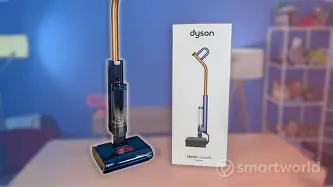
Before purchasing, prospective buyers should match the unit’s strengths to their most common cleaning scenarios, consider the time they are willing to invest in maintenance, and compare long-term consumable costs against competitors. For many, the Clean Wash Hygiene will be an effective daily tool; for others with lighter needs, a simpler system may deliver better value. The key is to weigh real-world demands against the product’s premium positioning and hygiene promises to determine whether this particular Dyson model is the right long-term investment.